
I specialise in designing homes with neurodiversity in mind.
As someone with dyslexia and ADHD myself, I know firsthand how much light, sound, clutter and layout can affect the way you think, feel and function every day — not just how a room looks.
I design around how you actually live in your home: how you move through it, where things pile up, what feels overwhelming, and what helps you feel calm, focused and at ease. That might mean creating an entrance that feels instantly grounding rather than overstimulating. It might mean storage that makes everyday tidying feel manageable instead of like a constant battle. It might mean lighting that supports concentration and energy, or layouts that reduce visual noise and help a space feel calmer and easier to live in.
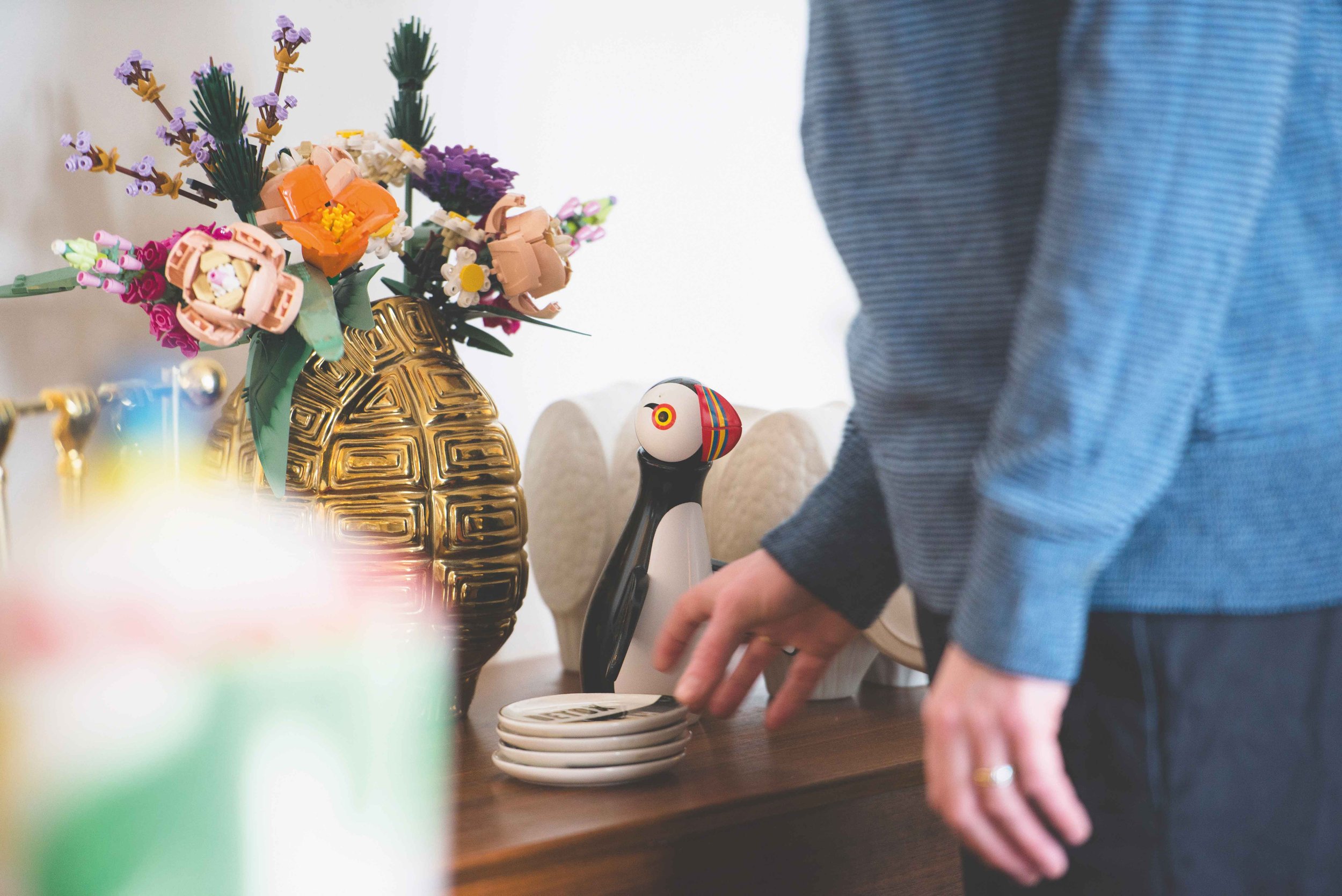
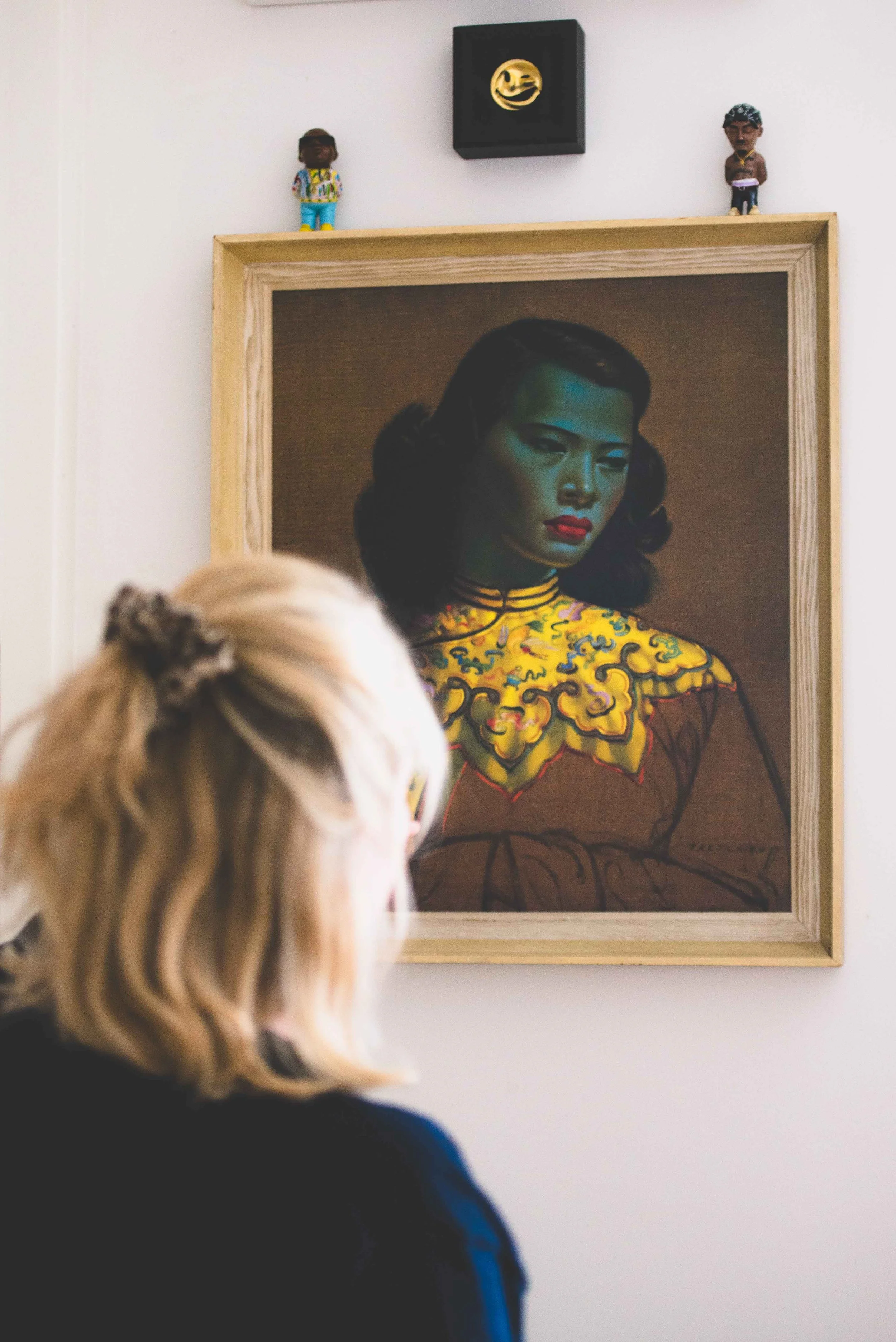
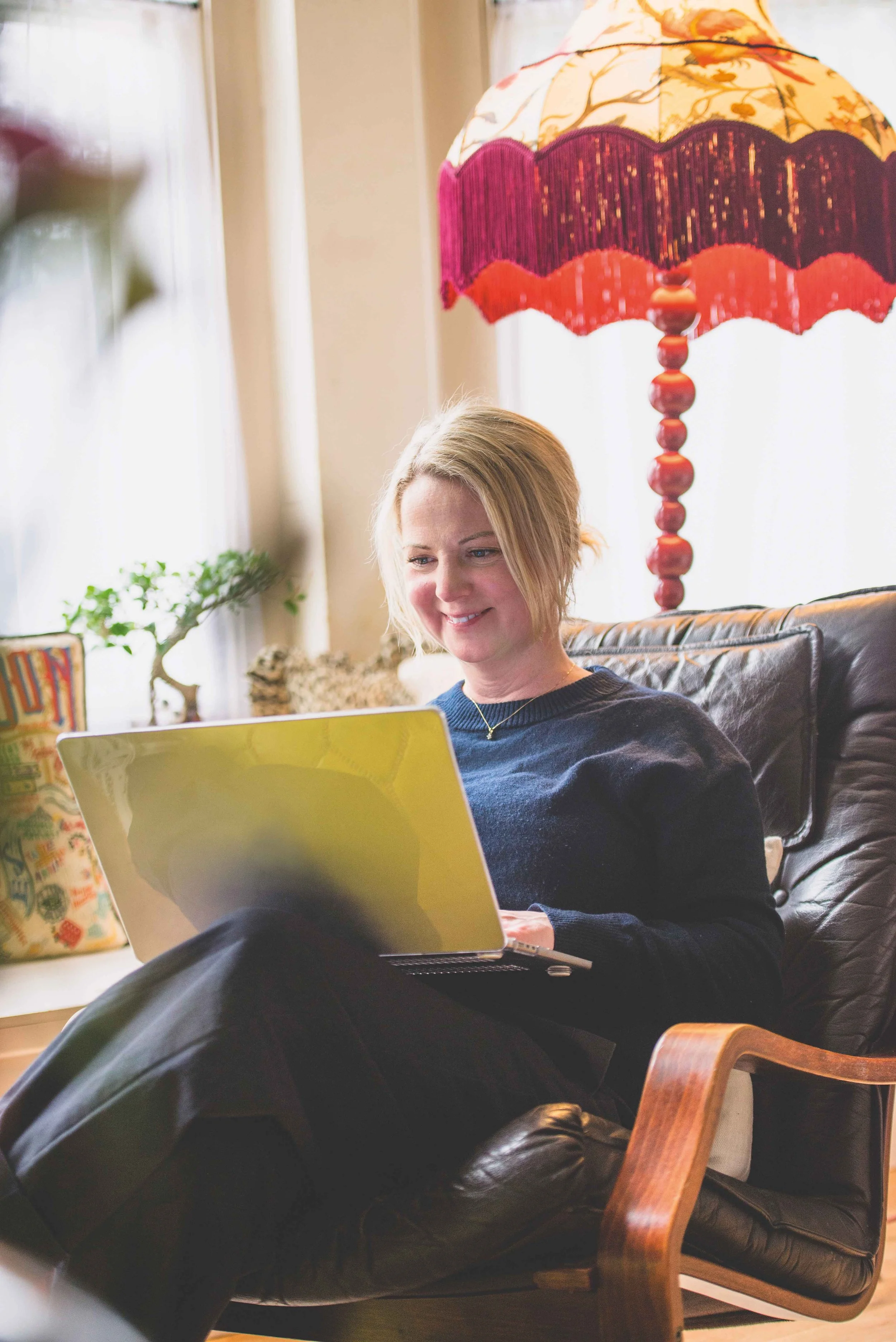
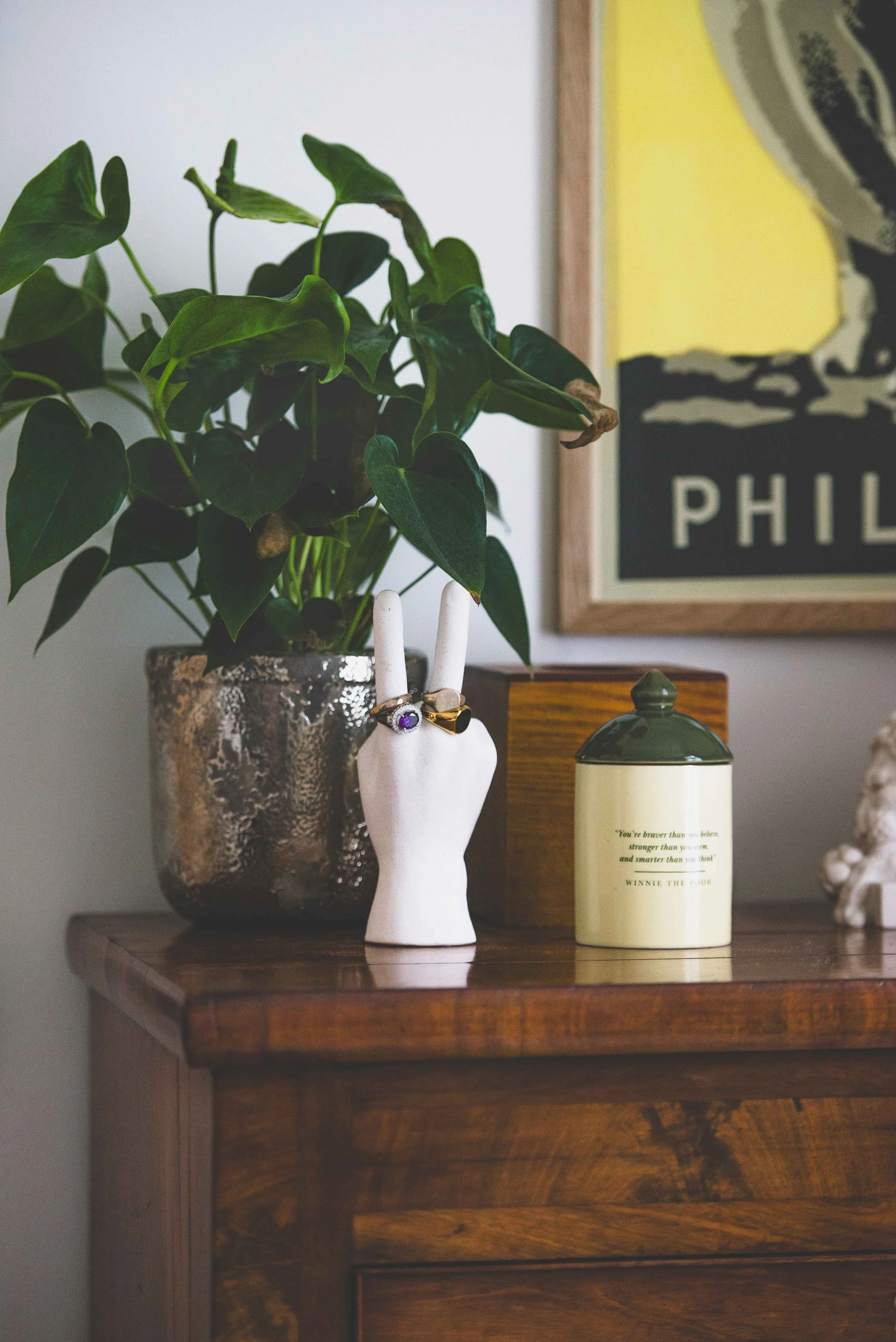
But creating a supportive home isn’t only about reducing overwhelm. It’s also about making spaces feel visually interesting, uplifting and inspiring to be in. For many neurodivergent people, the right environment can boost mood, spark creativity and bring a sense of energy and motivation. I love designing homes that look beautiful and feel good — spaces that bring a little dopamine, encourage calm, and make everyday life feel lighter and more enjoyable.
This isn’t an add-on or a passing trend. It’s at the heart of how I work.
I create homes that are not only beautiful, but that genuinely support the way you experience your space.